
 See Our Latest Article on HelloNation
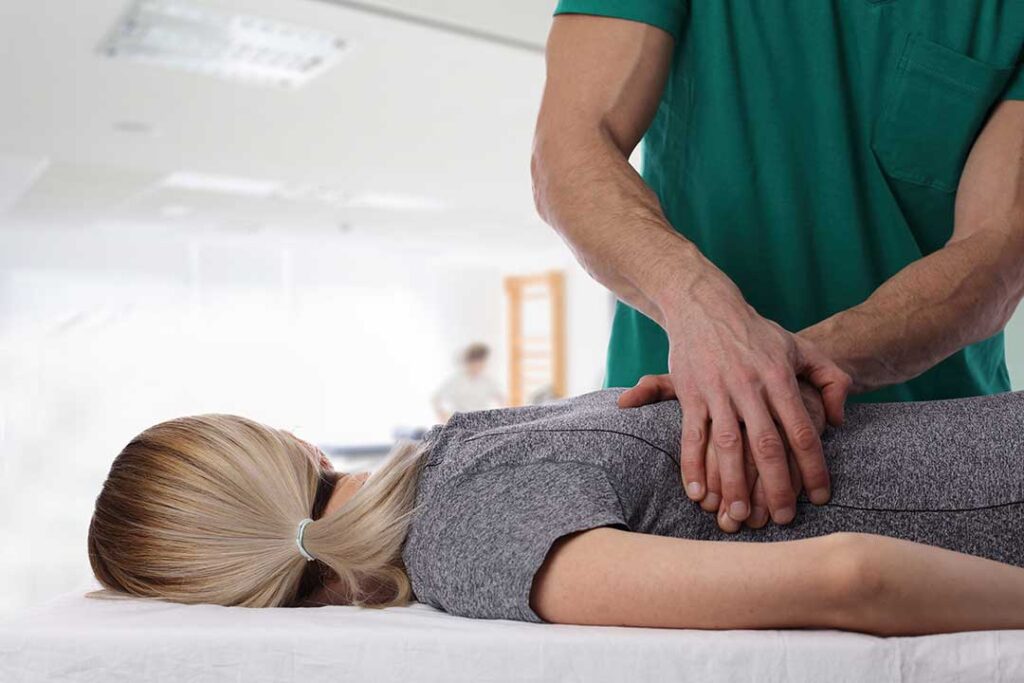
Pain is not always felt where it begins. A joint, muscle, nerve, or internal organ may send pain signals that the brain interprets as coming from another area. This is called referred pain, and recognizing the pattern can help Elma, NY residents make safer decisions about whether symptoms may fit a musculoskeletal problem or require medical evaluation.
What is referred pain?
Referred pain is discomfort perceived in a location that is different from the tissue causing it. The source and the painful area may share nerve pathways, spinal segments, or nearby connections in the nervous system. Because the brain receives overlapping signals, it may identify the wrong location.
For example, irritation in the neck can sometimes be felt in the shoulder or upper back. A problem in the hip may be experienced in the groin, thigh, or knee. Pain from the lower back may extend into the buttock, although pain traveling farther down the leg may suggest nerve involvement rather than simple referred pain.
Referred pain is different from pain that spreads directly along an irritated nerve. Nerve-related pain is more likely to include burning, electric, shooting, tingling, numbness, or weakness. The distinction is not always clear without a careful history and examination.
How is referred pain different from pain at the source?
Pain from the source often changes when that structure is moved, loaded, or touched. Referred pain may feel less precise and may not respond exactly as expected when the painful area is examined.
Common patterns include:
- Neck or upper-back problems felt in the shoulder, arm, or between the shoulder blades
- Shoulder joint problems felt near the upper arm
- Hip problems felt in the groin, buttock, thigh, or knee
- Sacroiliac or lower-back problems felt in the buttock or outer hip
- Irritated muscles producing aching in a nearby region
These patterns are clues, not diagnoses. A sore shoulder after lifting, for instance, may involve the shoulder itself, the neck, surrounding muscles, or a nerve. The same symptom can have more than one possible cause.
Can chiropractic care help with referred musculoskeletal pain?
Chiropractic care may be considered for some referred pain patterns that appear to come from the spine, joints, or muscles, particularly when the symptoms are mechanical. Mechanical pain commonly changes with posture, movement, lifting, prolonged sitting, or physical activity.
A responsible chiropractic assessment should begin with questions about:
- Where the pain started and where it travels
- What movements, positions, or activities change it
- Numbness, tingling, weakness, or changes in coordination
- Recent falls, vehicle collisions, sports injuries, or unusual exertion
- Fever, unexplained weight loss, night sweats, or other general symptoms
- Medical conditions, medications, and previous episodes
Care may include education, movement advice, exercise, manual therapy, and guidance about gradually returning to normal activity. Clinical guidelines for mechanical low-back pain emphasize examination, consideration of alternative diagnoses, informed consent, exercise and self-management, and coordination with other health professionals when needed. ([pubmed.ncbi.nlm.nih.gov](https://pubmed.ncbi.nlm.nih.gov/37341675/?utm_source=openai))
Spinal manipulation is not appropriate for every person or every cause of pain. Treatment should be adjusted to the individual’s symptoms, health history, examination findings, and preferences. Improvement should be monitored rather than assumed.
Does referred pain always come from the spine or muscles?
No. Referred pain can arise from internal organs as well as the musculoskeletal system. Lower-back pain, for example, may occasionally be connected with kidney stones, abdominal conditions, vascular problems, infection, or other medical causes. Hip and pelvic disorders can also produce pain that is felt in the back or thigh. ([pmc.ncbi.nlm.nih.gov](https://pmc.ncbi.nlm.nih.gov/articles/PMC6848394/?utm_source=openai))
This is one reason a new, unexplained, or unusually severe pain pattern should not automatically be treated as a “misalignment” or muscle strain. A symptom’s location alone cannot establish its cause.
Seasonal habits may also complicate the picture for households in Elma. Snow removal, icy walking surfaces, prolonged driving, home maintenance, and a sudden return to outdoor activity in spring can strain the back, hips, shoulders, or neck. Those activities can produce ordinary mechanical pain, but they do not rule out other causes.
What symptoms require prompt medical attention?
Some symptoms should be evaluated urgently rather than managed as routine musculoskeletal pain. Seek emergency care for severe or rapidly worsening pain accompanied by:
- Chest pressure, shortness of breath, fainting, sweating, nausea, or pain spreading to the jaw or arm
- Sudden severe upper-back or abdominal pain
- New loss of bladder or bowel control
- Numbness around the groin or inner thighs
- Major or progressive weakness in an arm or leg
- Confusion, collapse, or difficulty speaking
- A serious fall, collision, or other traumatic injury
Chest pain can have many causes, but persistent pressure or pain with symptoms such as shortness of breath, dizziness, nausea, or sweating warrants immediate medical care. ([medlineplus.gov](https://medlineplus.gov/ency/article/003079.htm?utm_source=openai))
Prompt medical evaluation is also appropriate for pain accompanied by fever, unexplained weight loss, a history of cancer, significant immune suppression, or severe pain that is constant and unrelated to movement. These features do not prove a dangerous condition, but they deserve more than a routine assumption about muscle or joint strain.
What information is useful before an evaluation?
A short symptom record can make the assessment more accurate. Note:
- The first location of pain and where it later appeared
- Whether the pain is aching, sharp, burning, electric, or pressure-like
- Whether coughing, sneezing, walking, bending, or lying down changes it
- Any numbness, tingling, weakness, swelling, rash, fever, or digestive symptoms
- Recent shoveling, lifting, falls, prolonged sitting, or changes in exercise
- What has helped or worsened the symptoms
Avoid forcing stretches or exercises that sharply increase pain, numbness, or weakness. Gentle movement within a comfortable range is often more useful than prolonged bed rest for uncomplicated back pain, but the appropriate approach depends on the suspected cause and the person’s overall health. Nondrug approaches, including activity advice and exercise, are commonly included in evidence-based care for low-back pain. ([nccih.nih.gov](https://www.nccih.nih.gov/health/low-back-pain-and-complementary-health-approaches-what-you-need-to-know?utm_source=openai))
The central question is not simply where the pain is felt. It is whether the pattern, triggers, associated symptoms, and examination findings fit a musculoskeletal source—or suggest that another type of evaluation is needed.
