
 See Our Latest Article on HelloNation
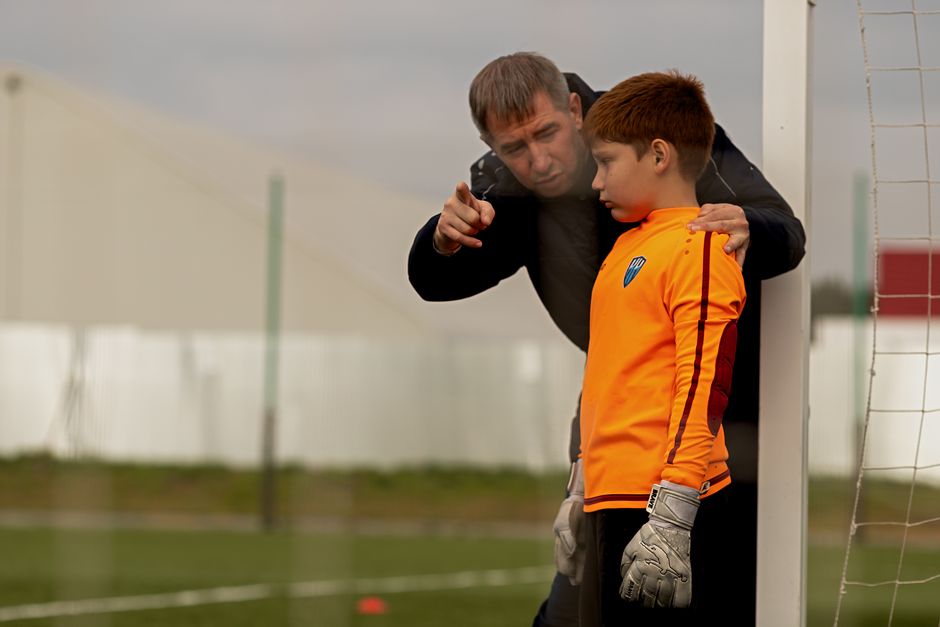
Sports can support strength, coordination, confidence, and community, but any activity involving falls, collisions, or rapid changes in movement can create a risk of concussion. A concussion is a type of mild traumatic brain injury that can occur after a blow to the head, a hit to the body that causes the head and brain to move quickly, or a fall.
Prevention does not mean eliminating every sport-related risk. It means reducing avoidable head impacts, recognizing unsafe situations, and creating a team culture where athletes can report symptoms without fear of losing playing time.
How can athletes lower the chance of a concussion?
The most effective approach combines safe technique, consistent rules, appropriate equipment, and honest communication. No helmet or protective device can prevent every concussion, so equipment should support—not replace—good habits and proper supervision.
Athletes can reduce risk by:
- Learning sport-specific techniques from qualified coaches, especially for tackling, checking, falling, landing, and heading a ball.
- Avoiding leading with the head during contact.
- Following rules designed to limit dangerous collisions and late hits.
- Reporting unsafe drills, poor field conditions, or repeated head impacts.
- Staying alert when fatigue affects reaction time or coordination.
- Taking water and rest breaks during practices and games.
- Using equipment that fits correctly and is maintained according to the manufacturer’s instructions.
For families in Elma, seasonal conditions can also affect safety. Early spring fields may be soft, uneven, or muddy, while late-season cold can make surfaces harder and reduce dexterity. Coaches and parents should pay attention to field conditions, lighting, footwear, and weather-related fatigue rather than focusing only on the possibility of a direct head strike.
What should coaches and sports programs do?
A safer program limits unnecessary contact and treats concussion reporting as part of good sportsmanship. Coaches should teach athletes that sitting out after a suspected injury protects both the individual and the team.
Useful program-level measures include:
- Limiting full-contact practices and high-impact drills.
- Teaching athletes how to keep their heads up and avoid dangerous contact.
- Enforcing penalties for illegal hits and unsportsmanlike behavior.
- Checking playing surfaces, goals, boards, mats, and other equipment before use.
- Providing clear procedures for removing an athlete from play.
- Making sure coaches, officials, parents, and athletes know the warning signs of concussion.
- Encouraging teammates to report concerning behavior or symptoms.
- Planning how an injured athlete will be monitored after leaving the field.
New York school sports programs operate under concussion management requirements, including training expectations for certain school personnel and restrictions on returning to athletic activity after a suspected concussion. Families should understand the policy used by the athlete’s school or league before the season begins.
Does protective equipment prevent concussions?
Protective equipment can reduce the likelihood or severity of some injuries, but it cannot guarantee concussion prevention. Helmets are designed for particular sports and types of impact. A football helmet, bicycle helmet, hockey helmet, and batting helmet are not interchangeable.
Parents should check that:
- The helmet is designed for the activity.
- The size and fit are correct.
- Straps and fasteners are adjusted securely.
- The equipment is not cracked, altered, or badly worn.
- The helmet has not been involved in a serious impact when replacement is recommended.
- The athlete understands that protective gear does not make reckless contact safe.
Products that claim to prevent all concussions should be viewed cautiously. A helmet may help protect against skull fractures or other injuries while still allowing forces that cause the brain to move inside the skull.
How can parents help prevent sports concussions?
Parents influence safety before an athlete reaches the playing surface. A short conversation before the season can make reporting symptoms feel normal rather than embarrassing.
Parents can ask:
- What is the league’s concussion policy?
- Who evaluates an athlete after a suspected concussion?
- Who has authority to remove an athlete from play?
- What is required before the athlete returns to school, practice, or competition?
- How are contact drills limited?
- How are weather, field, and equipment hazards handled?
It also helps to avoid praising athletes for “playing through” a head injury. A child or teenager may hide a headache, dizziness, confusion, or vision changes because they do not want to disappoint teammates. Calmly explaining that symptoms must be reported can make honest communication more likely.
Athletes should also avoid returning to play while sick, severely sleep-deprived, dehydrated, or unusually fatigued. These conditions may not directly cause a concussion, but they can impair judgment, balance, and reaction time.
What are the early signs of a possible concussion?
Symptoms may appear immediately or develop over several hours. A concussion cannot be ruled out simply because an athlete did not lose consciousness.
Possible signs include:
- Appearing dazed, confused, or unusually slow to respond
- Difficulty remembering what happened
- Trouble concentrating
- New clumsiness or poor balance
- Headache, dizziness, nausea, or sensitivity to light or noise
- Blurred or double vision
- Unusual irritability, sadness, anxiety, or emotional behavior
- Sleeping much more or less than usual
- Repeating questions or forgetting instructions
If any of these signs appear after a bump, blow, jolt, or hard fall, the athlete should be removed from play immediately. The athlete should not return the same day and should be evaluated according to the applicable medical and school or league policy.
What symptoms require emergency care?
Some symptoms may indicate a more serious brain injury. Call 911 or go to an emergency department if an injured athlete has:
- A worsening headache that does not go away
- Repeated vomiting
- A seizure or convulsion
- Increasing confusion, agitation, or unusual behavior
- Slurred speech
- Weakness, numbness, or declining coordination
- One pupil larger than the other or double vision
- Loss of consciousness followed by increasing drowsiness or difficulty waking
- Inability to recognize familiar people or places
Do not leave an athlete alone if serious symptoms are developing, and do not allow a return to sports simply because the athlete says they feel better.
When is it safe to return to sports?
Return to sports should be gradual and guided by a qualified healthcare provider. The athlete must first be able to manage normal daily activities and school responsibilities without a significant increase in symptoms. Physical activity is then increased step by step, with at least 24 hours between stages in many established protocols.
If symptoms return, the athlete should stop the activity and notify the responsible adult or healthcare provider. Returning too quickly can prolong recovery and exposes the brain to another injury before healing is complete.
A chiropractor may be part of a broader musculoskeletal care team for neck, back, or movement concerns after an injury, but concussion diagnosis, emergency assessment, and clearance for athletic participation should follow appropriate medical concussion protocols. Spinal treatment should never be used as a substitute for evaluating possible brain injury.
What prevention looks like at home
Concussion prevention continues outside organized sports. Families can reduce related risks by using seat belts, supervising younger children around stairs and play structures, maintaining safe walking surfaces, and using activity-appropriate helmets for biking, skating, or similar recreation.
The clearest household rule is simple: after a significant impact, new symptoms deserve attention. Prompt reporting, careful observation, and a gradual return to activity are more protective than trying to determine whether an injury is “serious enough” while the athlete remains in play.
