
 See Our Latest Article on HelloNation
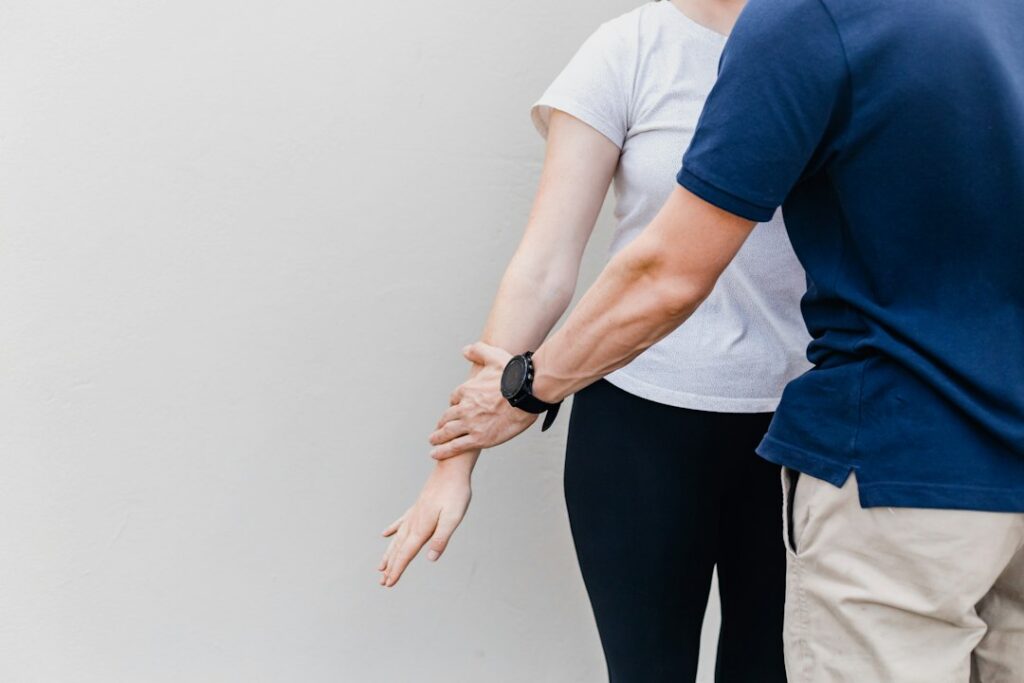
Growing older does not automatically mean losing the ability to walk comfortably, turn the head, climb stairs, or manage everyday tasks. For residents of Elma, NY, chiropractic care may be one part of a broader plan to support mobility, especially when joint stiffness, back discomfort, or limited movement makes normal activity more difficult.
Chiropractic care is not a cure for aging, arthritis, osteoporosis, or neurological disease. Its potential role is more specific: helping some older adults manage musculoskeletal pain and movement restrictions so they can remain active safely.
What does mobility mean for seniors?
Mobility includes much more than walking speed. It involves the ability to:
- Rise from a chair
- Bend, reach, and rotate
- Walk on level or uneven surfaces
- Use stairs
- Get in and out of a vehicle
- Maintain balance while changing direction
- Complete household tasks without excessive pain or fatigue
Mobility often declines when several factors overlap. Joint stiffness, muscle weakness, pain, reduced balance, previous injuries, poor vision, medication effects, and fear of falling can all limit movement. Spending more time sitting may then lead to further weakness, creating a cycle of reduced activity and declining function.
Chiropractic care may help interrupt part of that cycle when pain or restricted joint motion is a major barrier to movement.
How might chiropractic care improve movement?
The main potential benefit is improved comfort and motion in the muscles and joints. A chiropractic evaluation may examine posture, walking patterns, spinal movement, joint range of motion, and areas affected by pain.
Depending on the individual’s health history, care may include gentle joint mobilization, soft-tissue techniques, stretching instruction, or other conservative approaches. Some people may experience short-term improvement in pain or function, particularly with certain types of low-back pain.
Better comfort can make ordinary movement easier. For example, an older adult with less back pain may be more willing to stand up frequently, walk around the home, perform light strengthening exercises, or participate in social activities. Those activities—not passive treatment alone—are what help preserve strength and independence over time.
Can chiropractic care help with arthritis-related stiffness?
It may help some people manage the discomfort and reduced movement associated with musculoskeletal arthritis, but it does not reverse joint degeneration.
For someone with knee, hip, or spinal arthritis, a useful mobility plan usually includes several elements:
- Regular low-impact activity
- Strengthening the muscles around affected joints
- Flexibility work within a comfortable range
- Balance exercises
- Weight management when appropriate
- Attention to footwear and walking surfaces
- Strategies for pacing activities
Hands-on care may make movement more comfortable for a period of time, allowing participation in these activities. Persistent swelling, warmth, severe pain, or rapidly worsening joint function requires medical evaluation rather than relying on manual treatment alone.
What role does exercise play?
Exercise is the foundation of long-term mobility for most older adults. A well-rounded routine includes aerobic activity, muscle strengthening, flexibility, and balance training.
Walking is often practical, but it may not be the right starting point for everyone. An older adult with pain or unsteadiness might begin with brief, supported movement inside the home, seated exercises, water-based activity, or repeated sit-to-stand practice. Progress should be gradual and based on current ability.
In the Elma community, seasonal conditions can affect outdoor activity. Snow, ice, slush, and uneven surfaces may make walking less predictable during winter. On difficult days, indoor walking routes and simple home exercises can help maintain consistency without adding unnecessary fall risk.
Chiropractic care may complement exercise, but it should not replace strength and balance training. A person who feels better but remains inactive may not gain the full mobility benefit.
Is chiropractic treatment safe for older adults?
Safety depends on the person’s age, bone health, medications, medical conditions, and the type of technique used. Older adults should disclose a history of osteoporosis, fractures, cancer, inflammatory arthritis, recent surgery, blood-clotting problems, neurological symptoms, or long-term steroid use before treatment.
Gentle approaches may be more appropriate for someone with fragile bones or multiple health conditions. High-force techniques are not suitable for every patient.
New symptoms after treatment—such as increasing weakness, numbness, severe headache, loss of coordination, difficulty speaking, chest pain, or loss of bladder or bowel control—require prompt medical attention. These symptoms should not be treated as routine soreness.
A sudden change in walking ability, repeated falls, unexplained weight loss, fever, or pain following a significant injury also deserves medical assessment.
Can chiropractic care prevent falls?

Chiropractic care by itself should not be described as a fall-prevention program. Falls are influenced by balance, leg strength, vision, medications, home hazards, footwear, blood pressure changes, and walking ability.
A broader fall-reduction plan may include:
- Strengthening the legs and hips
- Practicing standing and turning safely
- Improving balance with appropriate support nearby
- Removing loose rugs and clutter
- Using adequate lighting on stairs and hallways
- Keeping pathways clear during winter weather
- Reviewing medications with a qualified medical provider
- Checking vision and hearing regularly
If pain limits participation in these activities, reducing pain may indirectly support safer movement. The meaningful goal is not simply feeling looser after treatment; it is being able to perform daily activities with greater control and confidence.
What should seniors expect from an evaluation?
A careful evaluation should begin with questions about daily function, not just the location of pain. Useful topics include walking tolerance, sleep, previous falls, medications, surgical history, bone density concerns, and activities that have become difficult.
Examples of practical goals might include:
- Walking through the house without stopping
- Turning the head while driving safely
- Standing long enough to prepare a meal
- Getting up from a favorite chair
- Gardening, light home maintenance, or visiting family
- Moving from a bedroom to a bathroom at night with less difficulty
Treatment should be adjusted according to response. If mobility is not improving, symptoms are worsening, or the problem appears unrelated to the muscles and joints, another type of medical evaluation may be necessary.
How can families support better mobility at home?
Family members can help by encouraging regular, manageable movement rather than urging an older adult to “push through” pain. A sturdy chair, clear walking paths, proper lighting, and supportive footwear can make daily activity safer.
It is also useful to notice small changes. Taking longer to stand, holding walls while walking, avoiding stairs, or giving up familiar activities may signal declining mobility even before a fall occurs.
For many older adults, the most effective approach combines appropriate hands-on care with daily movement, progressive strengthening, balance practice, and attention to home safety. Chiropractic care may support that plan when pain or restricted motion is preventing activity, but lasting mobility depends on the whole pattern of care and habits.
