
 See Our Latest Article on HelloNation
Why Does Core Strength Matter for Spinal Health?
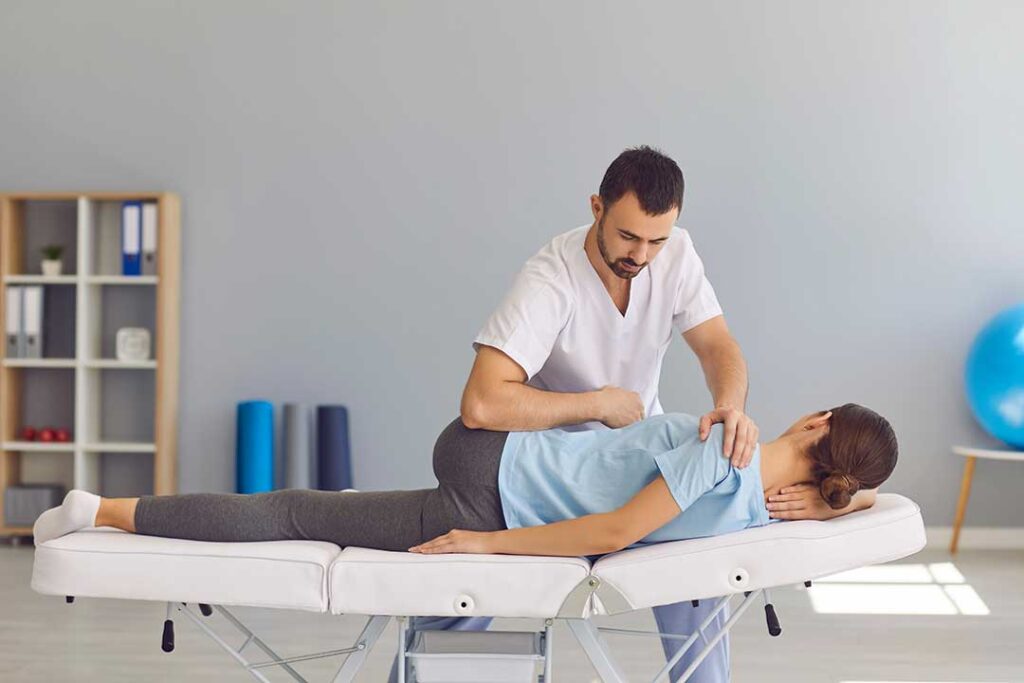
Core strength is essential for maintaining spinal health because the muscles around your abdomen, back, and pelvis help keep the spine stable. Without a strong core, the spine has to work harder to support the body, increasing strain and risk of discomfort or injury.
Many residents in Elma spend part of each day gardening, shoveling snow, or commuting. Activities that require lifting, bending, or prolonged sitting demand a stable spinal foundation. A well-conditioned core provides just that, acting as the body’s “natural brace” and protecting the back with every movement.
What Muscles Make Up the Core — and Why Are They Important?
The core includes more than just abdominal muscles—it also involves the muscles around the lower back, hips, and even the diaphragm. These key muscle groups are:
- Rectus abdominis (front “six-pack” area)
- Transverse abdominis (deep abdominal wall)
- Obliques (sides of the torso)
- Erector spinae (along the back)
- Pelvic floor muscles
- Hip flexors and gluteals
These muscles work together to create a flexible yet stable “corset” for your midsection, aiding in everything from reaching for groceries to carrying wood for winter fires. If any part of this network is weak or uncoordinated, neighboring muscles may compensate, disrupting movement patterns and increasing back stress.
How Does Core Weakness Affect Daily Life in the Community?
Weak core muscles often lead to poor posture, back fatigue, and increased risk of strains. Residents of Elma, who may have seasonal tasks like raking leaves or clearing walkways, could notice more aches or even minor injuries if their core muscles aren’t supporting their actions.
Common signs of reduced core function include:
- Frequent lower back soreness after housework or yard chores
- Slouching at a desk, on the couch, or while driving
- Difficulty with balance during icy winter months
- Fatigue after activities that used to feel easy
These issues can be subtle but may gradually impact comfort, independence, and mobility—particularly for those spending time outdoors or maintaining older homes.
Are There Risks to Overlooking Core Health Through the Seasons?
Neglecting core strength, especially during activities like snow shoveling or stacking firewood, increases spinal strain. In Elma, where winter weather often leads to slippery surfaces, residents are more vulnerable to falls and injuries. A robust core can help people react faster, stabilize during a slip, and recover more quickly if they lose balance.
Persistent core weakness can also contribute to chronic problems like:
- Recurring lower back pain
- Poor body mechanics during lifting or bending
- Greater reliance on compensatory muscles, which may fatigue or injure more easily
How Can Local Residents Safely Build Core Strength at Home?
Improving core strength doesn’t require fancy equipment. Effective exercises include:
- Modified planks (on knees or forearms to start)
- Gentle pelvic tilts or bridges
- Simple standing balance drills (such as standing on one foot)
- Supine leg lifts or “dead bugs”—lying on the floor and moving arms and legs slowly
Many area residents prefer to work these exercises into daily routines, such as holding a plank before bed or doing bridges after coming in from yard work. Pay attention to posture, breathe steadily, and focus on quality rather than repetition count.
For those with chronic pain or any history of injury, progressing gradually and listening to the body is most effective. Gentle consistency often yields more benefit than pushing through discomfort.
What Are Common Misconceptions About Core Exercise?
A notable misconception is that sit-ups or crunches alone build core strength. While these exercises may strengthen some abdominal muscles, they do not address the deep, stabilizing muscles essential for spinal health.
Other misconceptions include:
- Believing a strong core means a visibly flat or muscular stomach. Function matters more than appearance.
- Thinking core exercises should always be strenuous. Subtle, controlled movements are often safer and more effective, especially for older adults or anyone with back discomfort.
- Overlooking the role of breathing—proper diaphragmatic breathing helps activate core muscles and supports spinal stability.
How Does Core Strength Connect to Everyday Activities in the Area?
Throughout the year, daily activities place unique demands on residents’ spines. Gardening, stacking wood, sledding with grandkids, or simply managing snow and ice all involve bending, twisting, and lifting. A strong core helps manage these movements with less risk of overload.
For office workers and students, long periods of sitting can weaken core muscles if regular movement or activity breaks are not part of the routine. Parking farther away and walking, carrying groceries mindfully, or stretching while waiting for water to boil are small steps that support ongoing spinal health.
What Should Residents Consider When Starting a New Core Routine?
New exercise should be adapted to the individual’s health, comfort level, and mobility. Residents with underlying medical conditions or recent injuries should consult a healthcare provider before starting major changes, especially if exercises cause sharp pain.
Seasonal changes, such as slippery sidewalks in winter or yardwork in spring, may influence which core-strengthening routines are safest or most practical. Wearing supportive shoes, using stable surfaces, and paying attention to balance can reduce the risk of falls or strain.
