
 See Our Latest Article on HelloNation
What Is Scoliosis and How Does It Affect Local Residents?
Scoliosis is a condition that causes a sideways curvature of the spine, commonly diagnosed in children and adolescents but also present in adults. In Elma, NY, residents may notice this through uneven shoulders or hips, back discomfort, or postural changes. The condition ranges from mild to more severe curves, which may affect everyday life, physical comfort, and—for some—limit physical activities enjoyed in the community.
Local families might encounter scoliosis during routine school screenings or during annual physicals, especially since awareness and early detection are standard practices in the region. Because the climate in Elma can encourage both indoor and outdoor activities year-round, understanding scoliosis helps people make decisions about appropriate exercise and body mechanics.
Can Chiropractic Care Benefit Scoliosis Management?
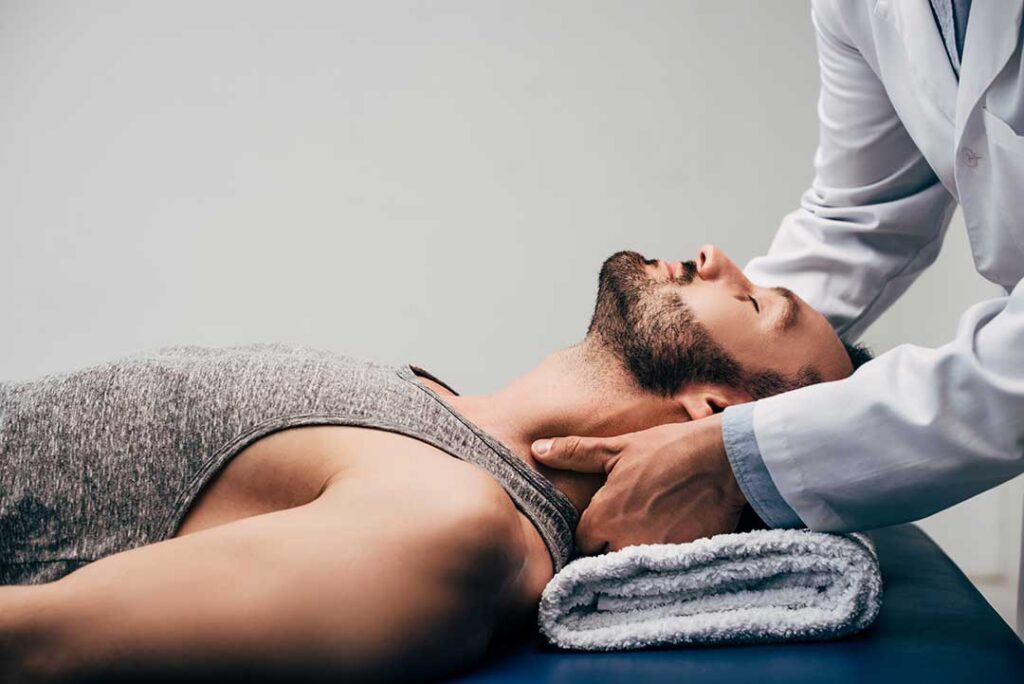
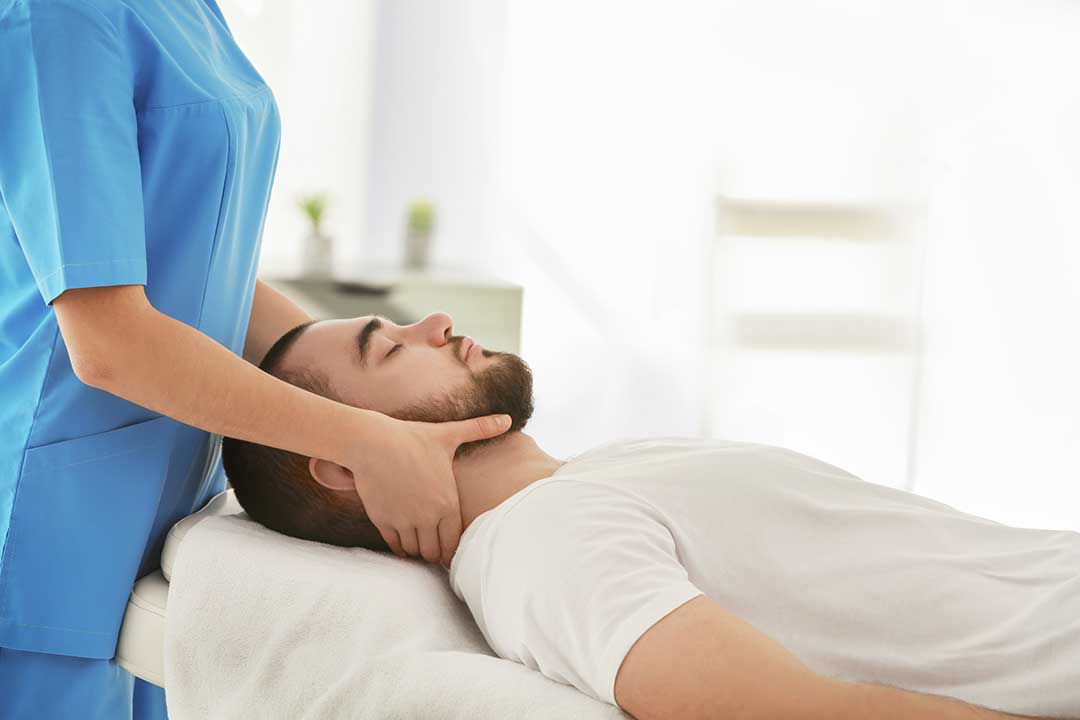
Chiropractic care is sometimes considered as one option for managing scoliosis symptoms, especially for those seeking non-surgical approaches. While chiropractic cannot "cure" scoliosis or reverse spinal curvature, it may offer symptom relief and support mobility through gentle spinal adjustments, soft tissue work, and posture education.
Area residents often wonder whether adjustments alone can “straighten” the spine. Current understanding based on scientific reviews suggests that, while chiropractic care does not structurally realign serious spinal curves, some people experience improvements in comfort, flexibility, or movement quality. Long-term studies show that for mild curves or posture-related discomfort, hands-on care can be an accessible way to manage discomfort—especially for those who want to avoid medications or want practical guidance for daily movement.
What Should Local Families Know About Diagnosis and Monitoring?
A proper diagnosis involves evaluating spinal curves through physical exams and imaging, usually by a physician. In Elma, schools or pediatricians frequently identify early signs, and regular monitoring helps determine progression. Not all spinal asymmetries are progressive, but ongoing observation is key to preventing small problems from becoming bigger issues.
Family members in the city sometimes misunderstand the difference between idiopathic scoliosis (no known cause) and functional curvature that results from uneven leg length or muscle patterns. Asking the right questions during exams, and understanding how commonly mild curves require only observation, can help families feel more confident about the care path chosen.
What Do Scoliosis Symptoms Look Like Day to Day?
For many, scoliosis in daily life is subtle and non-disruptive. Residents in Elma might notice:
- Slight differences in shoulder or hip height when looking in a mirror
- Fatigue or mild pain after long activities, like raking leaves or shoveling snow during the colder months
- Clothes that fit unevenly or lean more to one side
- A visible curve in the back, especially during bathing or getting dressed
In rare cases, more pronounced scoliosis can lead to difficulty with breathing, especially in moderate to severe cases if left untreated. Local households should remember that most cases in the city are mild and manageable with practical, everyday care.
What Common Misconceptions Exist About Chiropractic and Scoliosis?
There are several widespread misunderstandings about what chiropractic care can accomplish:
- It cannot "fix" or "cure" a structural spinal curve.
- Adjustments do not prevent all curvature progression, especially in rapidly growing children.
- Chiropractic is not a substitute for bracing, physical therapy, or surgery if those are medically warranted.
Instead, chiropractic may play a supplementary role. Some residents find that a combination of gentle adjustments, guidance around posture and ergonomics, and mobility exercises can help manage the muscular discomfort sometimes associated with scoliosis. This can be especially useful for adults in Elma who spend long periods at desks or doing household tasks, as local lifestyles often combine work and physical chores.
What Practical Steps Can Residents Take to Support Scoliosis-at-Home Care?
People living in Elma have several strategies available to help manage scoliosis day to day. These approaches emphasize comfort, movement, and awareness of body mechanics:
- Monitoring changes: Keep track of notable differences in posture, pain, or appearance. This is especially important for growing children.
- Ergonomic adjustments: Whether working in an office or enjoying hobbies at home, adjusting chairs, desks, and frequently used spaces helps reduce postural stress. Local households benefit from rearranging furniture seasonally, given changes in activity with weather.
- Regular, balanced activity: Swimming, walking, and low-impact exercises are accessible in the area and can help maintain flexibility and core strength.
- Stretching routines: Incorporating gentle stretches may assist with flexibility and relieve mild discomfort, especially for those who are sedentary during the cold months.
- Discussing concerns during regular check-ups: If discomfort increases or noticeable changes occur, mention scoliosis to the family doctor or pediatrician.
When Should Residents Consider Medical Attention for Scoliosis?
Most minor spinal curves do not require intensive treatment, but some signs suggest a need for further evaluation by a medical specialist:
- Rapid worsening of the spinal curve, especially during adolescence
- Persistent or worsening pain not relieved by daily activities
- Difficulty breathing or new limitations in physical activity
For residents managing scoliosis as part of chronic health conditions or following other injuries, coordinating care with health professionals ensures safe and appropriate management. While chiropractic care may play a role, some cases do require bracing or even surgical consultation, especially for growing children with significant curves.
How Do Local Lifestyles Influence Scoliosis Management?
Elma's climate and seasonal routines mean households often change activity levels throughout the year. Indoor activities during the winter or outdoor gardening, yard work, and sports in warmer months all pose unique physical challenges for those with spinal curvature. Residents living on larger properties or those involved in regular outdoor chores may need extra attention to lifting techniques and ergonomics.
Local awareness of posture, home set-up for study or work, and regular gentle movement are all factors that help people manage scoliosis in practical, realistic ways.
