
 See Our Latest Article on HelloNation
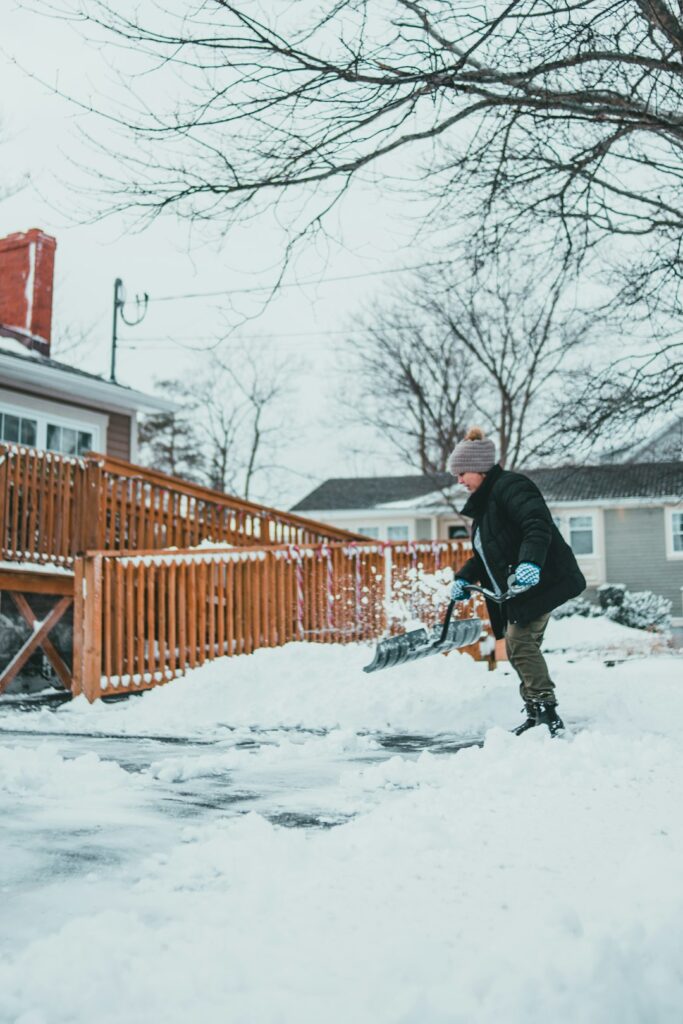
Daily chores can place repeated stress on the back, neck, shoulders, and hips. Lifting laundry, clearing snow, vacuuming, gardening, and reaching into low cabinets may seem harmless individually, but awkward positions and rushed movements can add up over time.
For residents of Elma, NY, seasonal tasks can make these demands more noticeable. Winter snow removal, spring yard cleanup, summer gardening, and fall leaf work often involve bending, twisting, carrying, or working on uneven ground. Safer movement habits can reduce unnecessary strain and help protect the spine during ordinary household routines.
What makes common chores hard on the spine?
The spine is usually most vulnerable when it is loaded while bent, twisted, or held in one position for too long. A task does not need to involve a heavy object to create discomfort. Repetition, poor leverage, fatigue, and sudden movements can also contribute.
Examples include:
- Bending from the waist to lift a basket, bag, or box
- Twisting while carrying an object
- Reaching overhead for extended periods
- Pulling a stuck object with a sudden jerk
- Working on the floor without changing position
- Carrying uneven loads on one side of the body
- Continuing a chore after muscles have become tired
A neutral spine does not mean keeping the back perfectly straight at all times. It means avoiding extreme rounding or arching while allowing the hips, knees, and shoulders to share the work.
How should household items be lifted?
Lift with the object close to the body, and move through the hips and legs rather than folding forward from the waist. Before lifting, take a moment to decide where the object will go and whether the path is clear.
A safer lifting sequence is:
- Stand close to the object with feet about hip-width apart.
- Bend at the hips and knees while keeping the chest comfortably lifted.
- Hold the object near the middle of the body.
- Tighten the abdominal muscles gently without holding the breath.
- Rise smoothly through the legs.
- Turn by moving the feet instead of twisting the torso.
The object’s shape matters as much as its weight. A large, awkward box may be harder to manage than a heavier item that has built-in handles. Dividing one load into two smaller loads can also improve control.
Do not lift while reaching far away from the body. The farther an object is from the torso, the greater the leverage placed on the back and shoulders.
What is the safest way to shovel snow?
Snow removal can be demanding because it combines lifting, pushing, cold temperatures, and repetitive movement. Wet snow is especially heavy, and icy surfaces increase the risk of slipping while the spine is under load.
Use the shovel to push smaller amounts whenever possible. If lifting is necessary, take partial loads and avoid throwing snow over the shoulder or across the body. Instead, face the direction of the toss and move the feet with the shovel.
Helpful habits include:
- Warm up with several minutes of easy walking and shoulder movement.
- Use a shovel that allows a comfortable grip without excessive bending.
- Keep both hands positioned so the load stays close.
- Push snow forward rather than repeatedly lifting it.
- Change sides occasionally to avoid stressing one side.
- Take breaks before fatigue causes posture and balance to deteriorate.
- Watch for hidden ice, uneven pavement, and packed snow.
Cold weather can make muscles feel stiff, so starting slowly is particularly useful during winter chores. Sudden forceful movements are more difficult to control when the body has not warmed up.
How can bending and reaching be made safer?
Many household tasks require frequent bending, including loading a washer, cleaning floors, feeding pets, and working in low storage areas. Repeated forward bending may become uncomfortable even when no single movement feels severe.

Whenever possible, bring the work closer to waist level. A small step stool can help with higher shelves, while a kneeling pad or low seat may reduce strain during floor-level tasks. For brief tasks, hinge at the hips while keeping the back in a comfortable position rather than repeatedly rounding through the lower spine.
Avoid holding a reach for a long time. Move closer to the shelf, use a stable step, or reposition the object before lifting. Never twist while reaching behind the body or while carrying something.
What posture helps during vacuuming, sweeping, and mopping?
The handle should allow the task to be performed without constant hunching. Keep the tool near the body, use short controlled strokes, and move the feet rather than twisting from the waist.
Instead of reaching far across a room, step into the area being cleaned. Alternate hands when practical, especially during repetitive sweeping or mopping. If the chore requires a long session, break it into smaller periods and change positions regularly.
A common misconception is that good posture means remaining rigid. In reality, staying in one stiff position can also create discomfort. Comfortable movement and frequent position changes are generally more useful than trying to hold a perfectly upright pose.
How should gardening and yard work be approached?
Gardening often combines kneeling, squatting, lifting, pulling, and prolonged forward bending. Use raised containers, long-handled tools, or a small garden seat when they allow the task to be done with less bending.
When lifting soil, mulch, or yard debris, fill smaller containers rather than overloading one large bag or bucket. Keep loads close and avoid carrying them over uneven ground if a cart or staged placement can reduce the distance.
Pulling weeds or roots can place sudden stress on the back. Loosen the surrounding soil first, keep the body facing the work, and use steady pressure rather than a sharp yank. Rotate between activities so the same joints and muscle groups are not loaded continuously.
How can chores be organized to reduce strain?
Pacing is a form of spine protection. Trying to complete every seasonal task in one session increases the chance of fatigue-related mistakes.
A practical approach is to:
- Divide large jobs into shorter blocks.
- Alternate standing, walking, kneeling, and seated tasks.
- Place frequently used items between knee and shoulder height.
- Store heavier objects where they can be reached without deep bending.
- Keep walkways clear before carrying anything.
- Use both hands for bulky objects.
- Stop briefly to reset posture and assess discomfort.
For area households, this approach can be useful during concentrated seasonal work such as storm cleanup, basement organization, or preparing outdoor spaces for changing weather.
When is back pain after a chore a warning sign?
Mild muscle tiredness may improve with rest, gentle movement, and a return to normal activity. Pain that is severe, rapidly worsening, or associated with other symptoms deserves prompt medical attention.
Seek urgent evaluation for back pain accompanied by new leg weakness, loss of bladder or bowel control, numbness in the saddle area, fainting, chest pain, major trauma, or difficulty walking. Pain that persists, repeatedly returns, travels down an arm or leg, or interferes with sleep and daily function should also be assessed by an appropriately qualified health professional.
A chiropractor may evaluate movement, joint function, and musculoskeletal contributors to back or neck discomfort, but persistent or unusual symptoms may require medical assessment to rule out conditions outside routine mechanical strain.
Protecting the spine during chores does not require avoiding normal activity. It means using better leverage, keeping loads manageable, changing positions, and allowing enough time to work without rushing.
